

What is black garlic and how do you use it?
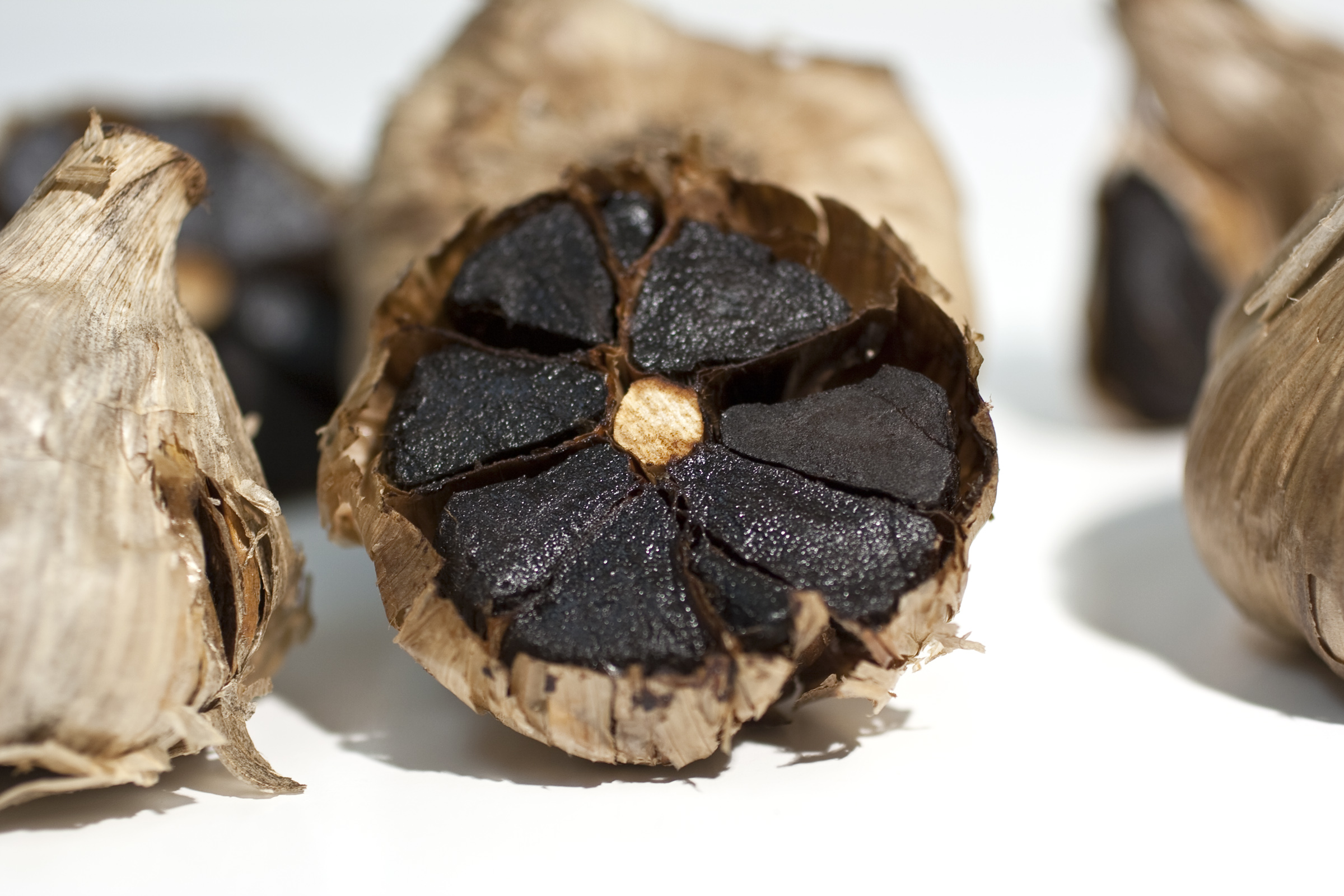
Black garlic is a distinctive ingredient increasingly used in both professional kitchens and by enthusiastic home cooks. Through a slow fermentation process, regular garlic transforms into a soft, dark product with a deep umami flavor. In this article, you’ll learn what black garlic is, how it is made, and how it can be used and combined with other herbs in the kitchen.
What is black garlic?
The fermentation process explained
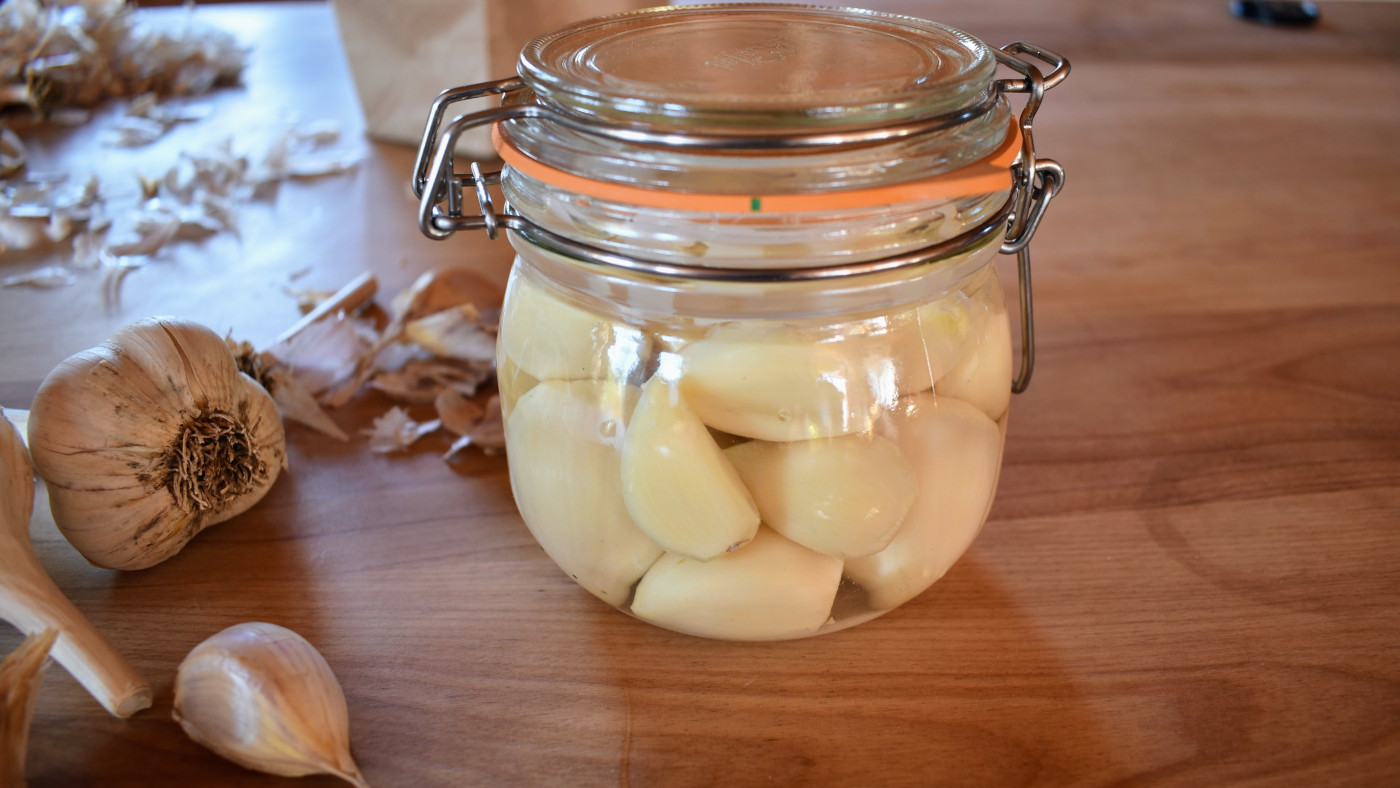
Black garlic is made by fermenting whole garlic bulbs for several weeks under controlled conditions of heat and humidity. During this process, the natural sugars and amino acids in the garlic change, resulting in a product that is very different from fresh garlic.
Changes in flavor and texture
Fermentation affects not only the color, but also the structure and flavor. The cloves become soft and almost spreadable. The sharp taste of raw garlic largely disappears and is replaced by a mild, slightly sweet flavor with notes of caramel, balsamic vinegar, and tamarind.
What does black garlic taste like?
Sweet and umami in balance
Black garlic is known for its rich umami flavor. This savory character is balanced by subtle sweetness, adding depth without overpowering other ingredients.
Why black garlic doesn’t dominate
Unlike raw garlic, black garlic is mild and rounded in flavor. This makes it easy to combine with other herbs and spices without one taste taking over.
How is black garlic made?
Temperature and humidity
The fermentation process takes place at temperatures between 60 and 90 degrees Celsius, combined with high humidity. Depending on the desired flavor and texture, this process can take several weeks to months.
The role of the Maillard reaction
During fermentation, a Maillard reaction occurs. This is the same chemical reaction responsible for browning meat or toasting bread, creating the dark color and complex flavor of black garlic.
Difference between regular garlic and black garlic
Flavor differences
- Regular garlic: sharp and pungent
- Black garlic: mild, sweet, and umami-rich
Texture differences
- Regular garlic: firm and crisp
- Black garlic: soft and spreadable
Difference in nutritional value
Due to fermentation, black garlic contains a higher concentration of antioxidants than regular garlic, which help protect the body against oxidative stress.
Culinary uses of black garlic
Use in savory dishes
Black garlic is commonly used in:
- Sauces and dressings
- Marinades
- Stews
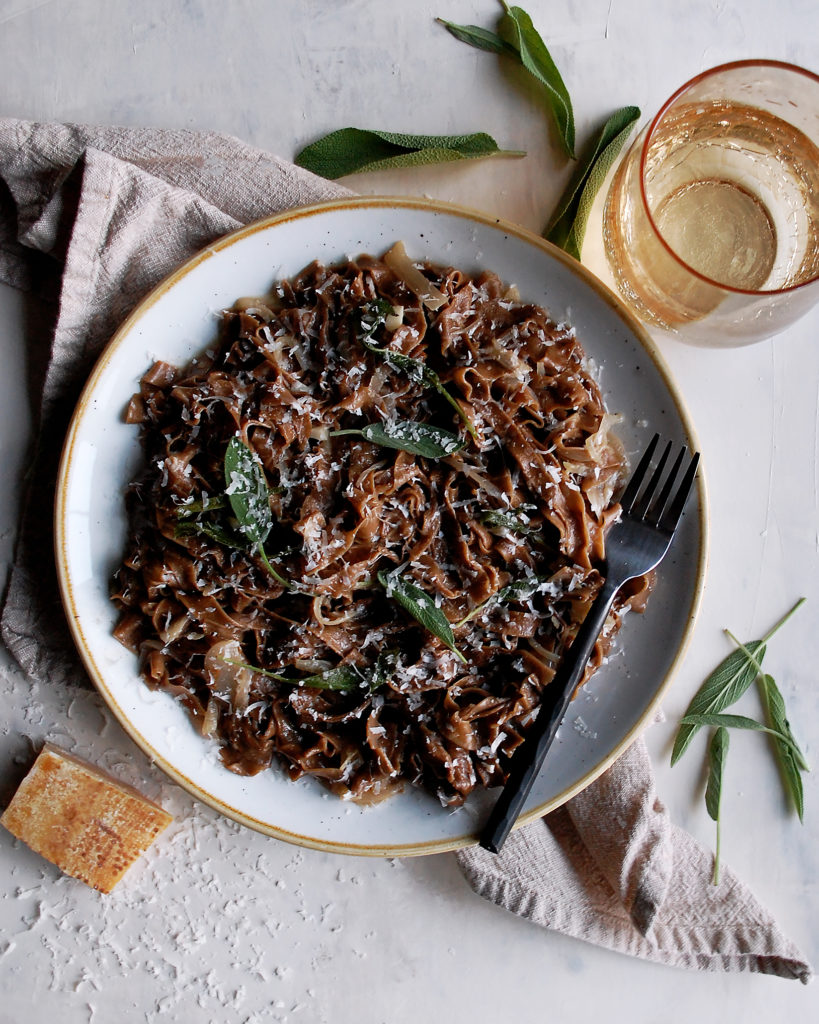
- Pasta and rice dishes
Its soft texture makes it easy to puree or finely chop.
Use in vegetarian and plant-based cooking
Black garlic also works well in vegetable-based dishes, adding depth and umami without relying on animal products.
Combining black garlic with herbs

Classic herb combinations
Black garlic pairs well with herbs such as:
- Thyme
- Rosemary
- Smoked paprika
- Cumin
- Coriander
Experimenting with flavor layers
For those who enjoy experimenting in the kitchen, black garlic can act as a connecting flavor layer between different herbs.

Black garlic is part of the Ottolenghi spice box Simple and Flavour in our assortment. Discover this combination and let yourself be inspired by new flavors.
Health benefits of black garlic
Antioxidants and fermentation
The fermentation process increases the antioxidant content of black garlic. These compounds help protect the body from free radicals.
Gentle on the digestive system
Many people find black garlic easier to digest than raw garlic, as harsh compounds are broken down during fermentation.
Summary
When should you use black garlic?
Black garlic is ideal when you want to add depth and umami to dishes without introducing a sharp garlic flavor.
Who is black garlic suitable for?
For home cooks, food enthusiasts, and anyone who enjoys experimenting with herbs and flavors in the kitchen.